Getting your home ready to sell, step by step.
The work that actually returns money before you list — and the work that doesn’t. Five stages, in the order they have to happen, with the Ontario details a generic checklist will never tell you.
Prepare a home in this order: declutter, repair, clean, stage, then size up your competition. Give it about six weeks. And spend your money on the cheap end of that list, not the expensive one — decluttering, small repairs and a proper deep clean move the price far more reliably than a renovation ever will.
Everything below is the same list I work through with my own sellers. It applies whether you’re selling a century home downtown or a two-storey in West Brant.
What happens when.
The sequence matters more than the calendar. You can’t stage a cluttered room, and you can’t clean around a painter — so if you do these out of order, you end up doing some of them twice.
- 6–8 weeks outDecide you're selling. Book the pre-listing inspection if you're doing one, line up any trades early, and start packing. Trades book further out than people expect.
- 4–6 weeks outRepairs and paint, then declutter room by room. Do it in that order — you don't want to declutter a room twice because a painter came through it.
- 2–4 weeks outDeep clean, stage, and sort out the curb. This is also when you go and walk through the homes you'll be competing with.
- 1–2 weeks outPhoto and video day, final touch-ups, and settle into a showing-ready routine you can actually keep up.
1 Declutter and pack — you're moving anyway
This is the stage that feels like the most work, and it's the one that changes the most. It gets easier the moment you stop thinking of it as tidying up and start thinking of it as starting your move. Every box you pack now is a box you don't pack in a panic later — and every corner you empty is space a buyer gets to see.
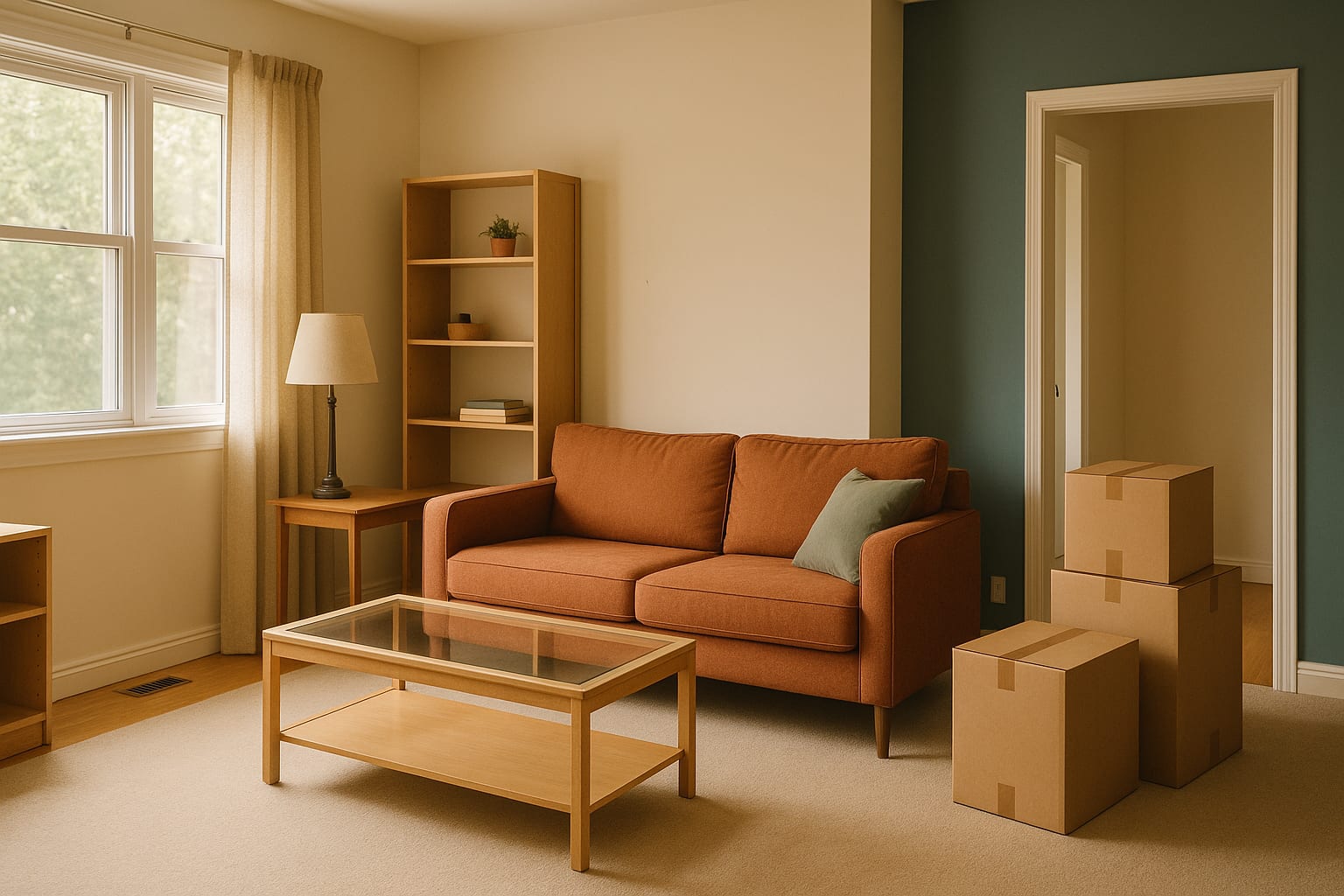
1.1 Take out a third to a half of what's in the room
That's the range professional stagers work to, and it sounds extreme until you stand in a room after. You're not going for empty — you're going for readable. A buyer can only judge a room they can actually see.
1.2 Pack every closet down to about half full
Buyers open closets. A closet packed shut tells them there isn't enough storage in this house, even when there is. Half full, with matching hangers, tells them the opposite. Same goes for the pantry, the linen closet, the laundry room and the garage — those are storage too, and they're being judged.
1.3 Take yourself out of the house
Family photos, kids' artwork, the trophy shelf, diplomas, collections, anything political or religious, everything on the fridge door. There's nothing wrong with any of it — but a buyer can't picture their life in your house while yours is still all over it. This one is emotional and it's worth doing anyway.
1.4 Clear the flat surfaces
Kitchen counters down to one or two things. Coffee table, side tables, dressers, bathroom vanities, the top of the fridge, the desk. Clear surfaces photograph as calm; covered surfaces photograph as busy, and busy makes a room look smaller than it is.
1.5 Get the packed boxes out of the house
Boxes stacked in the garage or the basement are still clutter — buyers see the garage and the basement too. A storage locker for two months is the cheapest staging money you will ever spend. A corner of a relative's garage is cheaper still.
1.6 One room at a time, three piles: pack, donate, toss
Start with the storage spaces — basement, garage, spare room. They're the least emotional, they build momentum, and they give you somewhere to work from when you get to the rooms that matter.
2 Repairs and upgrades — clearing the yellow flags
You are not renovating. You are removing reasons to hesitate. Every small broken thing a buyer spots makes them wonder what else is broken that they can't see, and that wondering always costs more than the repair would have. Two people are looking at your house: the buyer on the walk-through, and the inspector who comes after them.
2.1 Walk your own house like you're paying for it
Start at the curb and come in the front door the way a buyer would, not the way you do from the garage. Write down everything you'd flag if this were someone else's house. You stopped seeing most of it years ago — the list is always longer than you expect.
2.2 Fix the small stuff — it's what buyers actually see
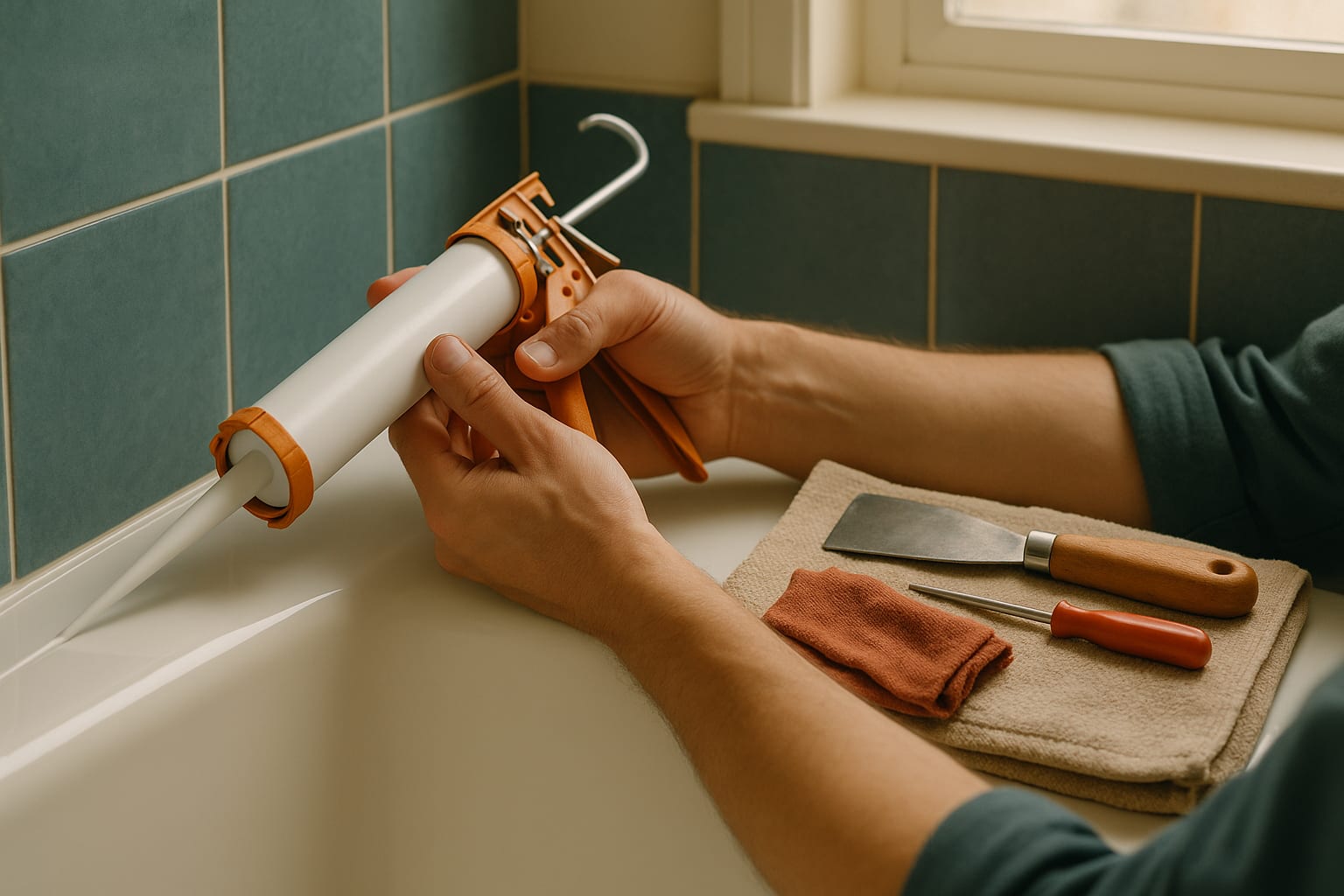
Sticking doors, torn screens, running toilets, dripping taps, burnt-out bulbs, cracked switch plates, loose handles, tired caulking around tubs and sinks, stained grout, squeaky hinges, a fence board that's let go. Individually, none of it matters. Together it's the difference between "well kept" and "what else did they not get to?"
2.3 Know what actually stalls deals
When a sale falls apart at inspection, it's usually one of the same few things: the roof, the foundation (cracks, seepage, that white efflorescence on block), aging furnace, water heater or A/C, plumbing, electrical — old panels, unsafe DIY work — and any sign of water getting in. If you know you've got one of these, you're better off dealing with it now than negotiating it under a deadline later.
2.4 Think seriously about a pre-listing inspection
The deal-breakers are consistent and knowable. Your choice is to find them on your own schedule, at your own price, from your own contractor — or to find them three weeks in, on the buyer's clock, with their inspector's report in hand and their number attached. A few hundred dollars up front buys you the negotiating position.
2.5 Spend outside before you spend inside
This surprises most sellers. In the industry's annual cost-versus-value study, eight of the ten highest-returning projects are exterior work — a garage door replacement typically returns well over what it costs, and a new steel front door is right behind it. The only interior project that cracks the top five is a minor kitchen refresh. Not a gut job. A refresh.
2.6 Paint is the cheapest change you can make
Zillow's buyer research puts the right interior colours at roughly $2,000 more in what buyers will offer. But the downside is bigger than the upside — a bright yellow kitchen cost sellers around $4,000 in that same study. So the practical rule isn't "find the magic colour." It's: keep it neutral, allow yourself one considered dark accent if a room can carry it, and get rid of anything loud.
2.7 Know where to stop
You will not get your money back on a gut kitchen, a new bathroom, high-end finishes, or new flooring where a professionally cleaned existing floor would have done. Renovate because you want to live in it. Repair because you want to sell it. Those are different budgets.
3 Deep clean — cleanliness pays
If you only have a weekend and a few hundred dollars, spend both here. Agents consistently rank a proper deep clean among the highest-return dollars a seller can spend, and around 85% say clean, well-presented homes sell faster and for more. Clean is also the one thing every buyer notices without being taught to notice it.
3.1 This isn't your normal clean
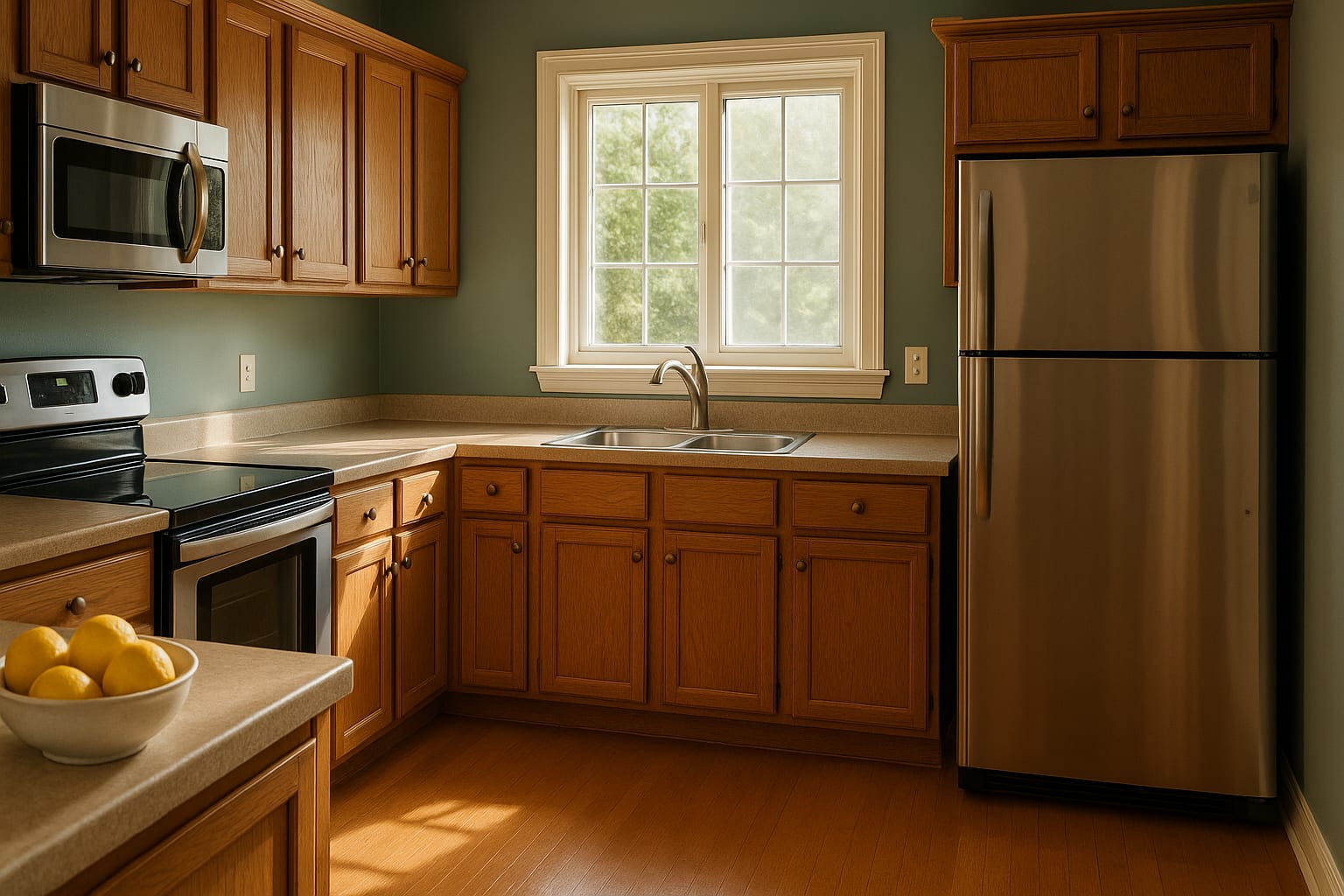
Baseboards, trim and door frames. Light fixtures and switch plates. Vents and returns. Window tracks and sills. Inside the oven, inside the fridge, behind and under the appliances. Grout and shower doors. The garage floor. These are the things people stop seeing in their own home and every buyer sees on the first pass.
3.2 Windows, inside and out — this one isn't optional
Listing photography is shot in HDR, which renders every streak, smudge and cobweb on the glass in high definition. Clean windows also make a room brighter in the photo, and brighter sells. If you hire one thing out, hire this.
3.3 Every bulb works, and they all match
A burnt-out bulb photographs as a dark corner. Worse is a room with two warm bulbs and one cool one — it makes a finished room look unfinished, and nobody can say why. Replace them all with the same temperature, and go a little brighter than you'd normally live with.
3.4 Fix the smell — never cover it
Smell is the fastest "no" in real estate, and it's the one thing a seller genuinely cannot detect in their own house. Ask someone who doesn't live there to be honest with you. Then fix the source. Don't mask it — no baking, no candles, no plug-ins. Buyers are primed to read a strong scent as covering something up, and now they're looking for what. The goal isn't a house that smells nice. It's a house that smells like nothing.
3.5 It's almost always one of six things
Pets. Carpet and the underlay beneath it. Drains. The fridge. Basement humidity. Laundry. Work through them in that order and you'll find it.
3.6 Then build a routine you can actually keep
You could be showing for a few weeks. Work out the fifteen-minute version — beds made, counters clear, bins out of sight, lights on, toilet lids down — so a same-day showing request is a yes instead of a scramble. The showings you can't take are the ones that would have sold it.
4 Staging and decorating
Staging isn't decorating for you — it's making it easy for a stranger to imagine living here. The industry research is unusually consistent on this: about 86% of buyers' agents say staging changes how their buyers see a home, and roughly half of listing agents say a staged home sold faster. Close to three in ten agents saw it move the offer itself, somewhere in the 1% to 10% range.
4.1 Stage the rooms that decide it
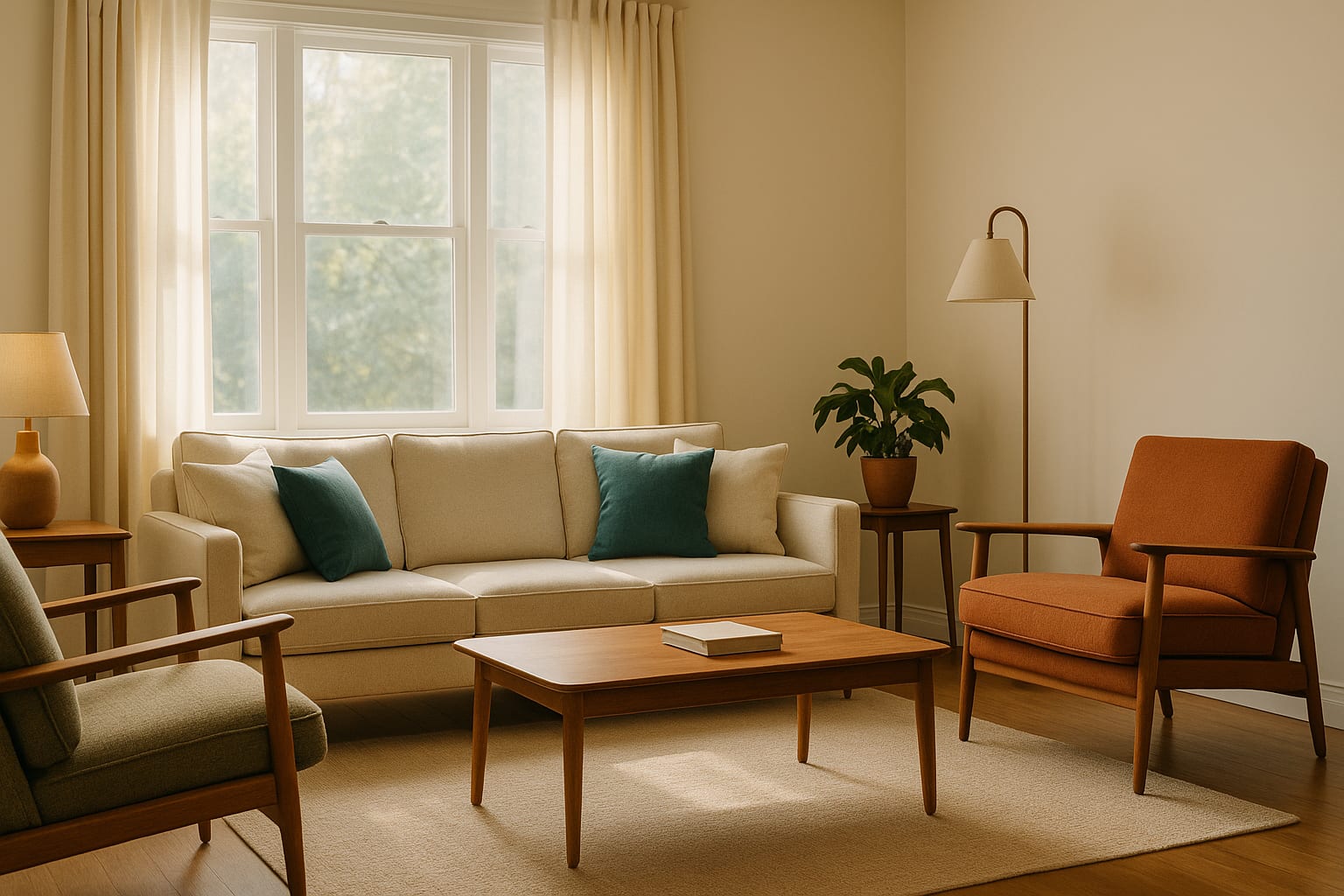
Agents put their effort into the living room first, then the primary bedroom, then the dining room — in that order. Those are the rooms buyers weigh. A spare bedroom or a basement rec room needs to be clean and clear; it doesn't need to be styled.
4.2 Give every room one obvious job
The hardest room to sell is the one a buyer can't name. A room that's part office, part guest room, part storage reads as none of them. Pick one, set it up as that, and let the buyer see the square footage doing something.
4.3 Pull the furniture off the walls
Almost everyone pushes everything to the perimeter, and it makes a room feel like a waiting area. Float the seating into a conversation group with a bit of breathing room behind it. The room reads bigger, not smaller — it works every time and it costs nothing.
4.4 Light every room three ways
Overhead, a lamp or two at eye level, and whatever daylight you can get. Open every blind and curtain — all the way, not halfway. Dark rooms photograph small and feel closed in, and buyers describe them as "a bit dated" even when nothing about them is.
4.5 In the primary bedroom, the bed is the whole thing
Clean, neutral bedding, properly made, ironed if you're being serious about it. Matching bedside lamps. Nothing under the bed and nothing on the floor. It's the shot that sells the room.
4.6 Bathrooms: one set of clean towels, and nothing else
Every product off the counter and out of the shower. Bin hidden. Fresh white towels, folded. Toilet lid down, every time. A bathroom photographs well when there's almost nothing in it.
4.7 The curb is your first photo and your first impression
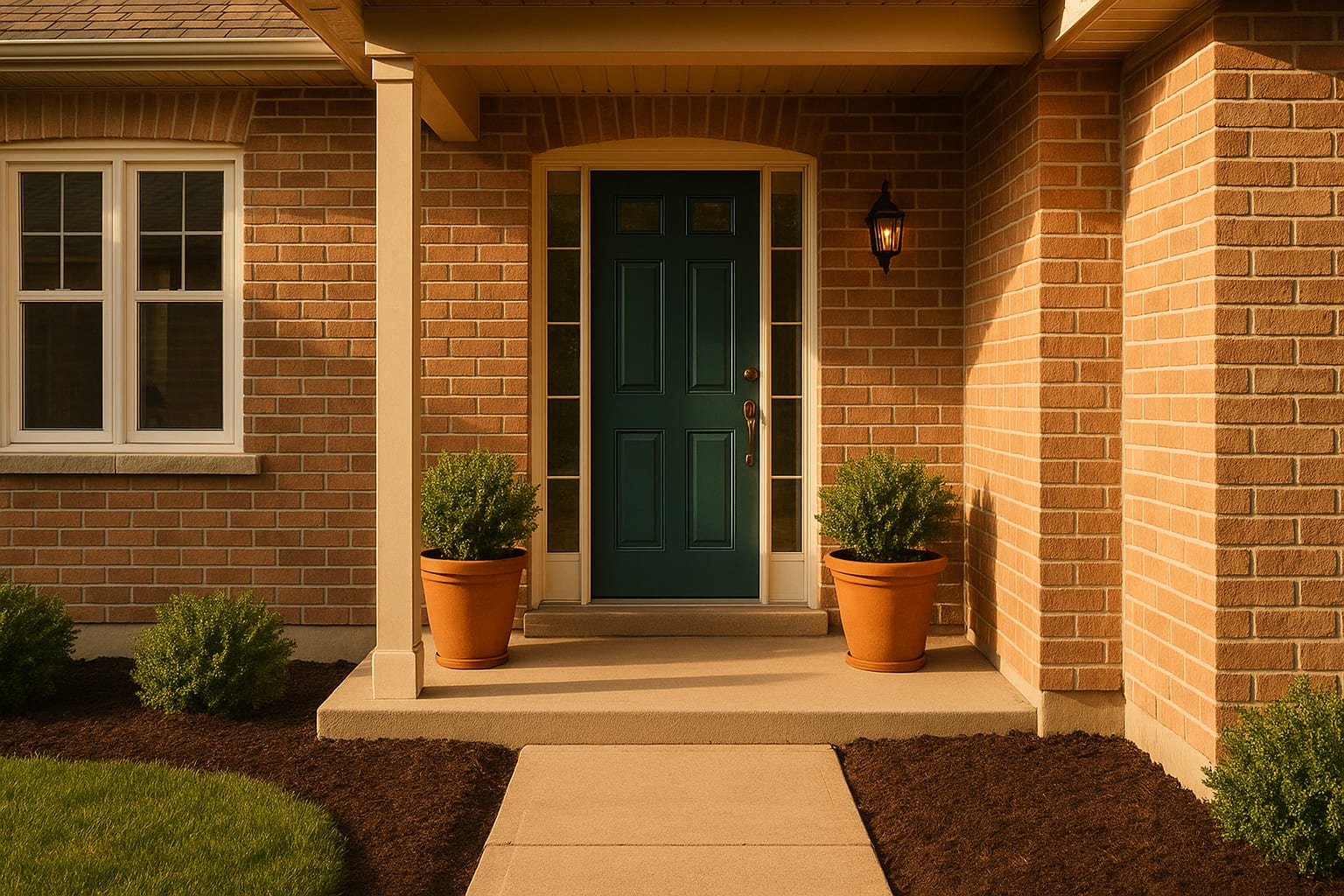
It's also where a modest budget goes furthest — agents will tell you a couple of thousand dollars of landscaping regularly reads as several times that in perceived value. Cut and edge, fresh mulch in the beds, a clean or freshly painted front door, house numbers you can read from the street, a pressure-washed walk, planters at the door, and every bin, hose and toy out of sight.
4.8 What it actually costs
Full professional staging runs around $1,500 and up; agent-guided staging is closer to $500. Most homes around here don't need rented furniture — they need editing, rearranging, and a short shopping list. That's the version we usually do together.
5 Watch the competition
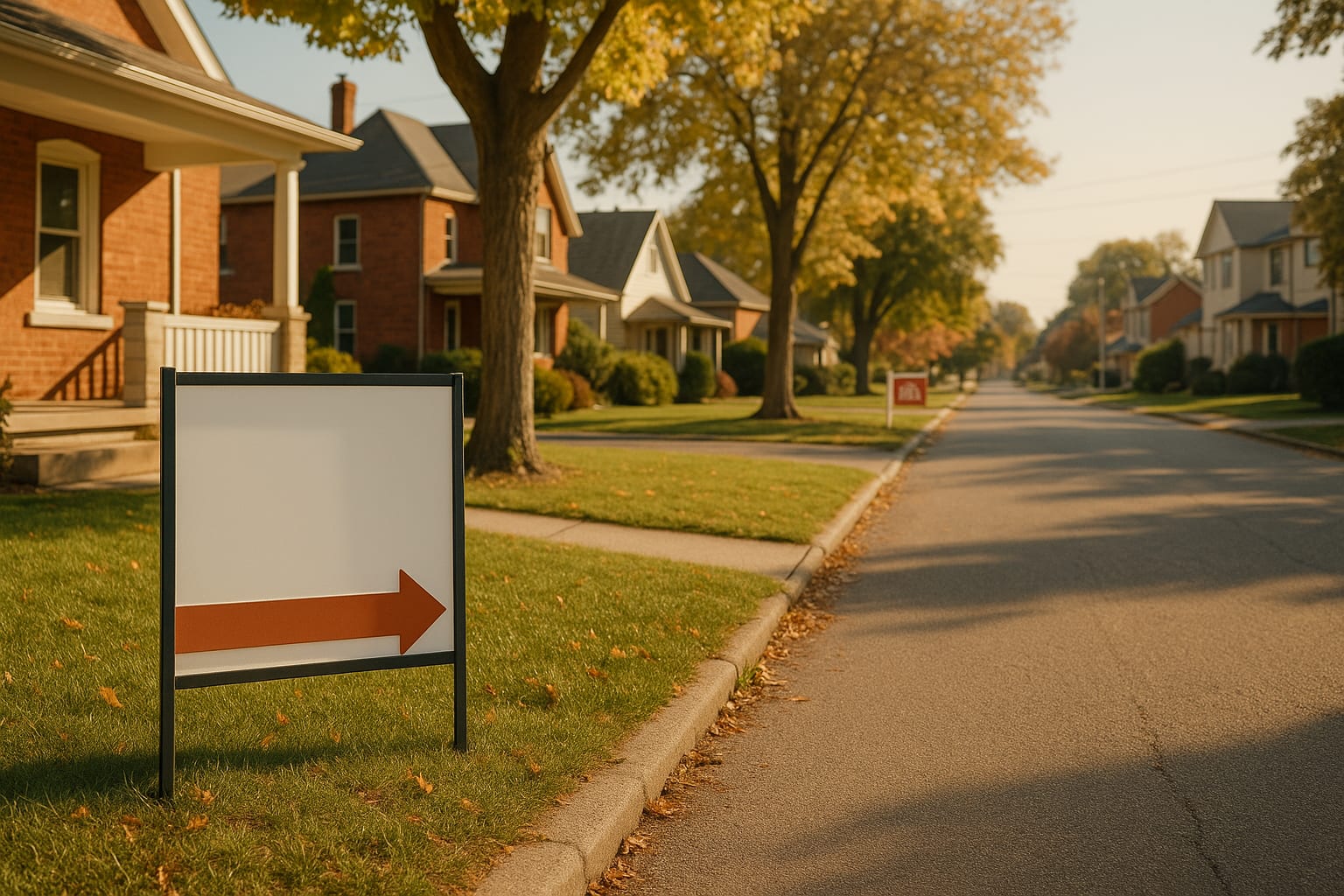
Here's the step almost nobody gives sellers, and it's the one that makes sense of everything above. Your house isn't judged on its own. It's judged against the other four homes that buyer walks through the same Saturday, in the same price range, in the same part of town. Prep isn't about reaching some abstract standard — it's about being the best one they see that day.
5.1 Find out who you're actually up against
Not every home for sale in the city — the ones a buyer looking at yours would also book. Same area, same type, same style, same price range. That's usually a handful of homes, and it's a list you can hold in your head.
5.2 Go and see three of them in person
Open houses are public. Go. This is the single most useful afternoon a seller can spend, and almost nobody spends it. Photos and a floor plan won't tell you what a house feels like when you walk in, and feeling is what you're competing on.
5.3 Score them — then score your own house the same way
Five things: condition, smell, light, clutter, and how well it's presented. Mark each one out of five as you walk through. Then come home and do yours honestly, ideally with someone who'll tell you the truth. Where you're behind is your prep list. Where you're ahead is what we lead with.
5.4 Then watch what happens to them
Which ones sell, which ones sit, which ones cut their price, which ones come off the market without selling. That's the real market feedback, and it arrives weeks before anything shows up in a statistic. It also tells us a lot about where to position yours.
5.5 You can't change your location. You can beat them on the rest
Lot, street and school catchment are fixed. Condition, cleanliness and presentation are entirely yours — and those are exactly the three things that decide it when two similar homes are priced within a few thousand dollars of each other.
Photo day, the short list.
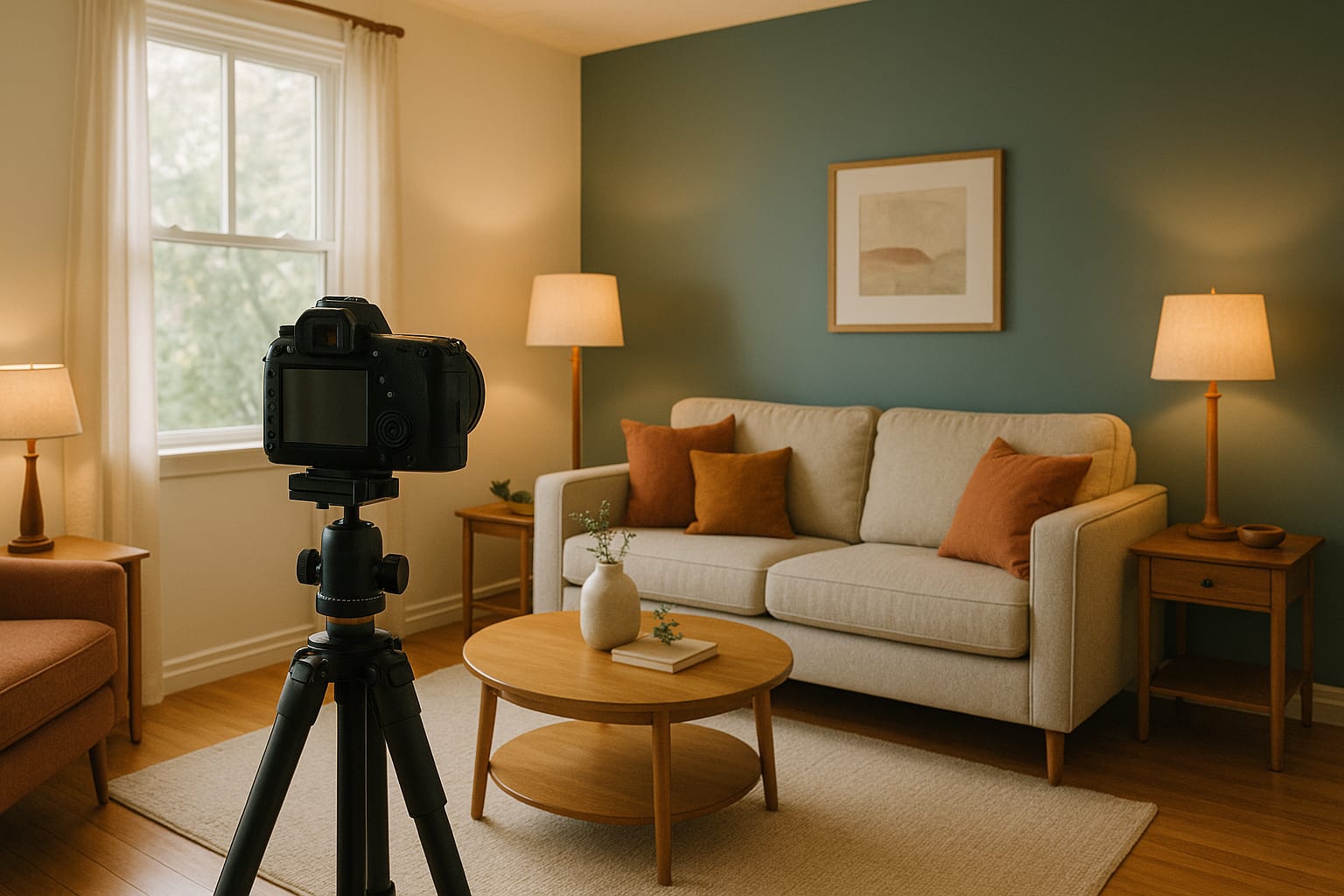
Everything above happens over weeks. This one happens in an hour, and it’s the hour the photos come from — which means it’s the version of your house that most buyers will ever see. Run it the same way before an open house.
- Every light in the house on — including closets, the range hood and the basement
- Every bulb working, all the same colour temperature
- All blinds and curtains fully open
- Kitchen counters cleared down to one or two things
- Fridge door completely bare — no magnets, photos or schedules
- Bathroom counters empty, fresh towels out, toilet lids down
- Bins hidden — kitchen, bathrooms, office, and the ones at the curb
- Cabinet doors, closet doors, shower doors and the garage door closed
- TVs, monitors and screens off
- Ceiling fans off — they blur in photos
- Beds made properly, floors clear, nothing under the beds
- Cars off the driveway and off the street in front of the house
- Hoses, tools, toys, bikes and sports gear put away
- Lawn cut, walk swept, mulch fresh, planters at the front door
- Pets and people out of the house for the shoot
What not to do.
Knowing where to stop saves more money than knowing where to start. These are the ones I talk sellers out of most often.
Renovating when you meant to repair
A gut kitchen or a new bathroom to sell almost never returns what it costs. If the room is dated but sound, clean it, paint it, replace the hardware and let the price reflect it. Buyers discount a dated kitchen far less than the renovation would cost you.
Listing before the work is done
"We'll finish it during the listing" is how a house sits for three weeks and burns its best traffic. The first two weeks bring the most attention you will ever get. Spend them on a finished house.
Leaving it for the buyer to ask about
Anything you know and don't deal with, you'll deal with later — under a deadline, with the buyer's inspector's number attached, and with less trust in the room. Every problem gets more expensive the further into the deal it surfaces.
Covering a smell instead of fixing it
Cookies, candles and air freshener all read the same way to a buyer: something is being hidden. Find the source. Aim for a house that smells like nothing at all.
Renovating to your own taste on the way out
A bold tile, a statement colour, a very specific fixture — the things that made it yours are the things a buyer prices in as work to undo. On the way out, neutral is worth more than interesting.
Pouring everything into the inside
Plenty of buyers decide from the car. If the curb doesn't earn a walk-through, none of the work you did inside gets seen.
Same list, your house.
This page is the universal version. When I walk through a home with a seller, we go down this same list room by room, and it turns into something much shorter and much more specific — the six things worth doing in your house, in order, with what they’ll cost and what they’re likely to return. Most of the time it’s a lot less work than people brace themselves for.
It also gets paired with the numbers. Prep and price are the same conversation: what’s worth doing depends entirely on who you’re standing next to on the market that month. I pull the live competing set for your house straight from the MLS, and we work out the plan from there.
If you’re a few months out and just want to know where to start, that’s a good conversation too — and an easy one. Ask me anything on this list.
Getting ready to sell, answered.
What's the single highest-return thing I can do before selling?
Declutter, then deep clean. It's not the exciting answer, but it's the one that holds up every time — agents consistently rank a proper deep clean among the best money a seller spends, and around 85% say clean, well-presented homes sell faster and for more. Both cost time rather than money, both affect every photo and every showing, and neither one can be undone by a buyer's opinion of your taste. Renovations are where sellers overspend; cleaning and clearing are where they under-spend.
Should I get a pre-listing home inspection?
In most cases on an older home, yes. The findings that stall deals are consistent and knowable — roof, foundation, wiring, plumbing, aging furnace or water heater — so the real question isn't whether they'll be found, it's who finds them and when. Find them yourself and you fix them on your schedule, at your price, with your contractor. Find them at week three and you're negotiating under a deadline with the buyer's inspector's number on the table. A few hundred dollars up front usually buys back more than that in the negotiation.
Do I need to repaint the whole house before selling?
Not usually. Paint the rooms that are marked up, scuffed, or a colour that's going to make a buyer flinch — and leave the rest. Zillow's buyer research found the right neutral and considered colours were worth roughly $2,000 more in what buyers offered, but the same study found a loud kitchen colour cost sellers about $4,000. So the win isn't in finding a magic shade, it's in removing anything jarring. Neutral through the main rooms, one considered darker accent if a room can carry it.
Is professional home staging worth it?
It depends on the house. The research is strong — about 86% of buyers' agents say staging changes how their buyers see a home, roughly half of listing agents saw staged homes sell faster, and close to three in ten saw it lift the offer by 1% to 10%. Full professional staging runs about $1,500 and up. But most homes around here don't need rented furniture; they need editing, rearranging, better lighting and a short shopping list, which is closer to $500 and is the version we usually do together. Empty houses and homes with unusual layouts are where paying for full staging earns its keep.
How do I get rid of pet smell before showings?
Find the source and remove it — don't cover it. The usual culprits are carpet and the underlay beneath it, soft furnishings, litter areas, and floor around them. Professional carpet cleaning first; if the smell survives that, the underlay is usually the problem and it has to come out. What you must not do is mask it with candles, plug-ins or baking. Buyers are primed to read a strong scent as covering something up, so a nice smell puts them on alert. Aim for a house that smells like nothing. And ask someone who doesn't live there to be honest with you, because you genuinely cannot smell your own home.
How long does it take to get a house ready to sell?
Plan for about six weeks if you want to do it properly and not live in chaos. Roughly: repairs, trades and any inspection six to eight weeks out; paint and decluttering four to six weeks out; deep cleaning, staging and curb appeal two to four weeks out; photos and final touches in the last week or two. You can compress it, and plenty of people do — but decluttering always takes two or three times longer than anyone estimates, so if you start one thing early, start that.
Sources: National Association of Realtors, 2025 Profile of Home Staging; Zonda, 2025 Cost vs. Value Report; Zillow, 2025 paint colour research; HomeLight agent surveys. Ontario wiring, insurance and disclosure points reflect Electrical Safety Authority requirements and standard Ontario seller disclosure practice — confirm specifics for your own property with your lawyer, insurer or a licensed contractor.
Thinking about selling this year?
Join the Brantford Insider and I'll send you what's actually selling around you — including the sold prices — so you can see what your prep work is up against.
Send me a few photos or book a walk-through and I’ll give you the short version — the handful of things worth doing in your house, what they cost, and what they’re likely to return. No obligation to list.